

Is Chinatown Bangkok worth visiting? We share what makes this area unique, what to see and what to eat, so you can make up your own mind.
Bangkok is a city that dazzles with contrasts. Gleaming temples stand alongside modern skyscrapers, luxury shopping malls exist next to humble street markets, and ancient traditions are kept alive amidst a vibrant nightlife scene. One of the best examples of this cultural blending is Chinatown Bangkok, locally known as Yaowarat.
But the question many travelers ask before adding it to their itinerary is: “Is Chinatown Bangkok worth visiting?”
The short answer is yes—but it depends on what you’re looking for in your Bangkok experience.
Chinatown is chaotic, crowded, colorful, and sometimes overwhelming, yet it offers one of the most authentic, sensory-rich adventures you can have in Thailand’s capital.
Is Chinatown Bangkok Worth Visiting?

A Brief History of Chinatown Bangkok
To understand why Chinatown is so unique, it helps to know its roots.
- Early Chinese Migration: In the late 18th century, when Bangkok was established as the capital of Thailand, many Chinese immigrants moved to the area. They were largely traders and merchants who settled along the Chao Phraya River, building thriving businesses.
- Yaowarat Road: Completed in 1891 during the reign of King Rama V, Yaowarat Road became the main artery of Chinatown. Its distinctive, curving shape earned it the nickname “dragon road,” symbolizing prosperity in Chinese culture.
- Cultural Hub: Over time, Chinatown grew into a bustling district of gold shops, traditional medicine stores, temples, and food vendors. Today, it remains a vibrant commercial and cultural hub, blending Thai and Chinese heritage and is a must on your Bangkok bucket list.
When you walk through Chinatown, you’re stepping into a living piece of Bangkok’s history, layered with generations of cultural exchange.
Why Chinatown Bangkok is Worth Visiting?
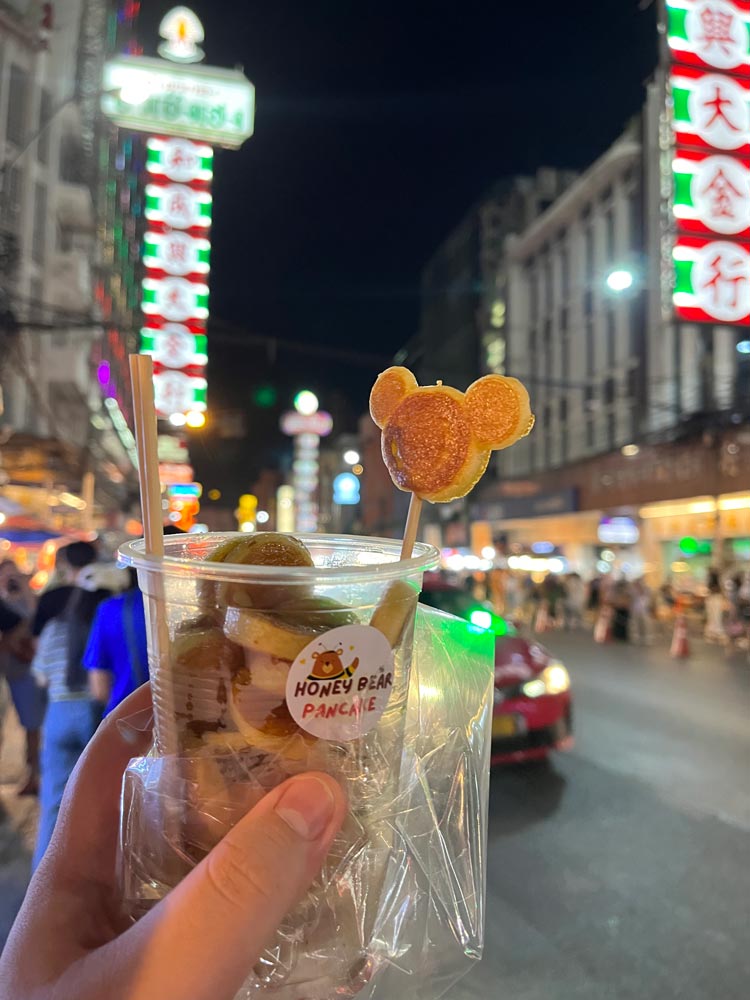
1. A Food Lover’s Paradise
If there’s one reason to visit Chinatown, it’s the food. Yaowarat is world-famous for its street food scene, drawing both locals and tourists every evening. Michelin-recommended stalls sit next to decades-old family businesses, and you’ll find everything from seafood feasts to simple dumplings.
Highlights include:
- Guay Jub Ouan Pochana – Famous for peppery rolled rice noodle soup.
- T&K Seafood – A lively street-side seafood restaurant serving crab, prawns, and clams.
- Sweet Time Dessert Stall – Known for Thai-Chinese desserts like ginkgo nut soup.
- Pa Tong Go Savoey – Michelin-recognized deep-fried dough sticks.
Whether you’re a foodie chasing famous dishes or simply hungry for something new, Chinatown guarantees a culinary adventure, making this a must-visit, even if you have only 2 days in Bangkok.
2. Rich Cultural Experiences
Chinatown isn’t just about food; it’s also steeped in culture. You’ll find historic temples, bustling markets, and traditional medicine shops still practicing ancient remedies. Some of the highlights include:
- Wat Traimit (Temple of the Golden Buddha): Home to a 5.5-ton solid gold Buddha statue, one of the largest in the world.
- Leng Buai Ia Shrine: The oldest Chinese shrine in Bangkok, dating back over 200 years.
- Guan Yin Shrine: Dedicated to the Chinese goddess of mercy.
Exploring these sites gives you insight into the deep cultural and spiritual connections between Thailand and China.
3. Unique Shopping Opportunities
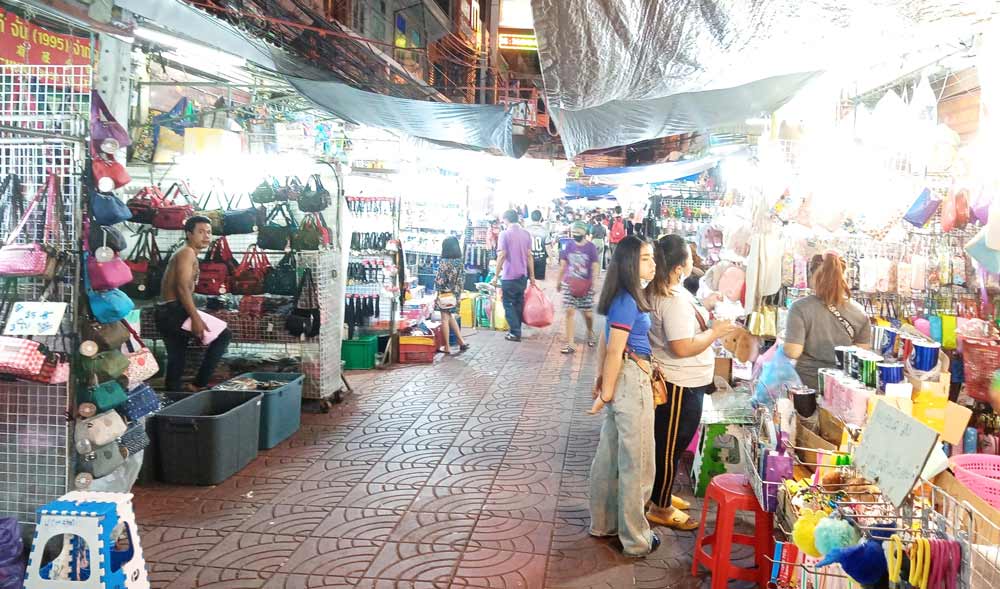
Chinatown is a treasure trove for bargain hunters. Unlike Bangkok’s modern malls, shopping here is about discovery. You’ll find:
- Gold shops with dazzling displays.
- Talat Mai Market, selling dried goods, snacks, and herbs.
- Sampeng Lane Market, a narrow alley full of fabrics, toys, and accessories.
- Chinese apothecaries with shelves stacked with herbs and remedies.
It’s chaotic but fun—perfect for those who enjoy wandering through markets in search of hidden gems.

4. Nighttime Atmosphere
Chinatown truly comes alive at night. Neon signs flicker in red and gold, the air fills with the sound of sizzling woks, and the sidewalks overflow with diners perched on plastic stools.
The atmosphere is electric—both chaotic and mesmerizing. Even if you don’t stop to eat, simply strolling down Yaowarat Road after dark is an unforgettable experience.
Plus, its close distance from getting to Khao San Road makes it a great spot for visitors to the city as well.
5. A Photographer’s Dream
For photography lovers, Chinatown is one of Bangkok’s most photogenic neighborhoods. Colorful shop signs, steaming food stalls, ornate temples, and vibrant street scenes provide endless opportunities for both day and night shots.

What to do in Chinatown Bangkok
Chinatown in Bangkok has plenty of things to see and do, so here are some highlights:
- Walk Yaowarat Road: The heart of Chinatown, best explored on foot. Visit in the evening to see the neon lights and bustling street food scene.
- Eat Your Way Through the Streets: Try iconic dishes like oyster omelets, roasted duck, mango sticky rice, and bird’s nest soup. Join a guided food tour if you want insider recommendations.
- Visit Wat Traimit: Located near Hua Lamphong Station, this temple houses the Golden Buddha. Best visited during the day when it’s less crowded.
- Explore Sampeng Lane Market: A labyrinth of narrow alleys perfect for bargain shopping. Great for fabrics, trinkets, and souvenirs.
- Check Out the Shrines: Leng Buai Ia Shrine and Guan Yin Shrine are beautiful spots to experience Chinese spirituality.
- Stop at a Rooftop Bar: For a different perspective, enjoy a drink at one of Chinatown’s rooftop bars, such as Sky View 360° at Grand China Hotel.
- Take a Boat Ride: The Chao Phraya River is close by, and a river cruise gives you stunning views of the cityscape.
- Mega Plaza: Not far from Chinatown is the fun, over-the-top Mega Plaza shopping mall. Here you can find 6 floors of stores selling everything from toys and trading cards to figurines and home decor.
What to eat in Chinatown Bangkok
One of the biggest reasons people visit Chinatown is for the food. Yaowarat Road transforms into one of Bangkok’s busiest street food destinations in the evening, with stalls lining the pavements, plastic tables filling the streets, and the smell of sizzling woks drifting through the air. While you’ll find plenty of traditional Thai dishes that are a must for first timer visitors to Thailand, Chinatown is also the best place in the city to try Thai-Chinese specialities that have been served here for generations.
Seafood
Seafood is one of Chinatown’s biggest draws, and you’ll see huge displays of fresh prawns, crabs, squid and fish outside many restaurants. Dishes are usually cooked to order, whether that’s grilled river prawns, stir-fried crab with curry powder, steamed fish with lime and chilli, or giant prawns served with spicy seafood dipping sauce. The busiest seafood restaurants often have queues stretching down the street, particularly in the evening, which is usually a good sign you’re in for a memorable meal.
Dim Sum
If you’re visiting earlier in the day, dim sum is a fantastic choice. Many of Chinatown’s traditional restaurants serve baskets of steamed dumplings filled with pork, shrimp, crab or vegetables, alongside fluffy barbecue pork buns, rice noodle rolls and crispy spring rolls. It’s an easy way to sample several different dishes without committing to one large meal.
Roast Duck and Crispy Pork
Roast duck hanging in shop windows is one of the classic sights of Chinatown. Served over rice or noodles with a rich soy-based sauce, it’s simple but incredibly satisfying. Crispy pork belly is another local favourite, with perfectly crunchy crackling and tender meat that pairs beautifully with steamed rice and Chinese greens.
Noodle Dishes
Noodles are everywhere in Chinatown, and every stall seems to have its own speciality. You’ll find everything from fragrant bowls of wonton noodles and egg noodles topped with roast pork to comforting beef noodle soup and stir-fried noodles cooked over high heat. Many family-run vendors have been perfecting the same recipes for decades, making even the simplest bowl of noodles worth seeking out.
Oyster Omelette
One of Chinatown’s signature street food dishes is the oyster omelette. Unlike a traditional omelette, this popular snack combines fresh oysters with eggs and a starch batter, creating a mixture that’s crispy around the edges while remaining soft in the centre. It’s topped with bean sprouts and served with a tangy chilli sauce that balances the rich flavours perfectly.
Mango Sticky Rice
No visit to Bangkok is complete without trying mango sticky rice, and Chinatown has plenty of excellent vendors serving this classic Thai dessert. Sweet slices of ripe mango are paired with warm sticky rice that’s been cooked in creamy coconut milk before being finished with an extra drizzle of coconut sauce. It’s simple, refreshing and the perfect way to cool down after exploring the busy streets.
Chinese Desserts
Chinatown is also known for its traditional Chinese desserts, many of which are quite different from Western sweets. Popular options include sesame dumplings filled with black sesame paste, warm ginger soup with glutinous rice balls, herbal jellies and sweet red bean soup. If you’re feeling adventurous, they’re well worth trying for a taste of local tradition.
Fresh Fruit and Fresh Juices
Scattered throughout the market you’ll find stalls selling freshly cut tropical fruit including mango, watermelon, pineapple, dragon fruit and guava. Many vendors also prepare fresh pomegranate juice, orange juice and coconut smoothies to order. Given Bangkok’s heat, these make a refreshing break between sampling richer street food dishes.
Chinese Doughnuts (Pa Tong Go)
These freshly fried dough sticks are one of the most popular snacks in Chinatown, especially at breakfast or late in the evening. Crispy on the outside and light inside, they’re delicious on their own or dipped into sweet pandan custard, condensed milk or rich chocolate sauce. They’re incredibly moreish and make a great snack while wandering through the streets.
Grilled Satay
Although found throughout Thailand, satay is especially popular in Chinatown’s evening street markets. Skewers of marinated chicken, pork or beef are grilled over charcoal until lightly smoky, then served with creamy peanut sauce and a refreshing cucumber relish. They’re affordable, easy to eat on the go and perfect if you’re sampling a little bit of everything.

When is the Best Time to Visit Chinatown?
- Evenings (after 5 pm): This is when street food vendors open and the neon lights flicker on, making Chinatown one of the best things to do in Bangkok at night.
- Daytime (10 am – 4 pm): Quieter, better for temple visits and shopping at markets.
- Festivals: Chinese New Year and the Vegetarian Festival are especially lively, with parades, lion dances, and special food stalls; both of which are some exciting festivals in Thailand.

How to Get to Chinatown Bangkok
Getting to Chinatown is relatively easy thanks to Bangkok’s public transport:
- MRT Subway: Take the Blue Line to Wat Mangkon Station (exit directly into Chinatown).
- Taxi/Grab: Convenient, but traffic in the area can be very congested in the evenings.
- Tuk-tuk: A fun but pricier option; always negotiate the fare beforehand.
- Boat: Take the Chao Phraya River Express to Ratchawong Pier and walk into Chinatown.
What is the Chinatown Bangkok MRT station?
If you’re heading to Chinatown in Bangkok, the most convenient way to get there is by MRT Blue Line, stopping at Wat Mangkon Station (วัดมังกร); the BTS and MRT is the easiest way to get around Bangkok with ease.
Location
- Located right under Chinatown (Yaowarat Road) in Bangkok’s Samphanthawong district.
- It’s named after the nearby Wat Mangkon Kamalawat, the largest Chinese Buddhist temple in Bangkok.
- Exits from the station bring you directly onto Yaowarat Road and surrounding alleys full of food, shops, and markets.
Exits & Nearby Attractions
The station has multiple exits leading directly into Chinatown:
- Exit 1: Yaowarat Road (main street for street food at night).
- Exit 2: Charoen Krung Road and Odeon Circle (with the Chinatown Gate).
- Exit 3: Wat Mangkon Kamalawat temple.
- Exit 4: Sampeng Lane Market (great for shopping).
Pros and Cons of Visiting Chinatown
To help you decide if Chinatown is worth adding to your itinerary, here’s a balanced look:
Pros:
- Unforgettable street food scene.
- Rich history and cultural landmarks.
- Lively nighttime atmosphere.
- Great for photography.
- Unique shopping experiences.
Cons:
- Can be extremely crowded, especially at night.
- Traffic is heavy—getting in and out can be frustrating.
- Limited seating at many food stalls (often just plastic stools).
- Not ideal if you dislike noise, chaos, or heat.
Tips for Visiting Chinatown
- Wear comfortable shoes – You’ll be walking a lot.
- Bring cash – Many street vendors don’t accept cards.
- Arrive hungry – The food is the main attraction, so don’t eat beforehand.
- Go with a plan – It’s easy to get lost in the chaos, so know which restaurants or markets you want to visit.
- Stay hydrated – The streets can be hot and crowded.
- Be prepared to queue – Popular stalls often have long lines.
- Use public transport – Avoid driving or taxis during rush hour.
Is Chinatown Bangkok Worth Visiting?
So, is Chinatown worth visiting?
Absolutely—if you love food, culture, and vibrant city life. Chinatown is one of the most authentic places to experience Bangkok’s diversity, where Thai and Chinese traditions merge in a way that’s both chaotic and beautiful. The street food scene alone makes it a must-visit for food lovers, while the history and atmosphere ensure there’s something for everyone.
That said, if you’re someone who prefers calm, quiet, and orderly experiences, Chinatown may feel overwhelming. In that case, you might enjoy Bangkok’s temples, parks, or rooftop bars more.
How long does it take to explore Chinatown, Bangkok?
Exploring Chinatown in Bangkok can take anywhere from a quick one-hour stroll to a full day, depending on how much you want to see and do. If you’re short on time, you can walk along Yaowarat Road in the evening, enjoy the neon lights, and sample a few famous street food dishes in just one to two hours.
A more typical visit lasts around three to five hours, giving you enough time to explore temples like Wat Traimit, shop at Sampeng Lane Market, and end the day with a food crawl along the bustling streets.
For those who want to fully immerse themselves in the culture, history, shopping, and culinary delights, spending a full six to eight hours in Chinatown allows you to experience both the quieter daytime atmosphere and the lively evening energy.
Most travelers find that a half-day visit, arriving in the afternoon and staying through dinner, is the perfect balance to enjoy the best of Chinatown Bangkok.
Is Bangkok Chinatown better at night?
Yes—Bangkok’s Chinatown (Yaowarat Road) is generally better at night because that’s when it truly comes alive. During the day, you’ll find temples, shrines, and markets worth exploring, but the streets can feel quieter and less atmospheric compared to the evenings. So when looking at is Chinatown Bangkok worth visiting, the answer is yes but a bigger yes at night!
Once the sun sets, Chinatown transforms into one of the city’s most vibrant food destinations, with street vendors setting up stalls, sizzling woks filling the air with mouthwatering aromas, and neon signs lighting up the roads in red and gold. The atmosphere is electric—locals and tourists alike gather to enjoy seafood feasts, noodle soups, dim sum, and sweet treats right on the sidewalks.
Nighttime also makes Chinatown more photogenic, with glowing shopfronts and bustling crowds adding to its unique energy.
While visiting during the day is great for sightseeing and shopping, if your main goal is to experience the food and atmosphere, evening is the best time to explore Chinatown Bangkok.

Suggested Chinatown Bangkok Itineraries
Half-Day Chinatown Visit (Daytime)
If you only have a few hours to explore Chinatown during the day, start your visit at Wat Traimit, home to the famous Golden Buddha. After admiring the temple, make your way into the bustling streets of Sampeng Lane Market, where you can browse everything from clothing and accessories to souvenirs and household goods. Continue on to Leng Buai Ia Shrine, one of Bangkok’s oldest Chinese shrines, to experience a quieter and more traditional side of the neighbourhood. Finish your morning with lunch at one of Chinatown’s many family-run noodle shops, where you can enjoy a comforting bowl of noodles or roast duck with rice before heading back into the city.
Evening Chinatown Visit
Chinatown truly comes alive after sunset, making an evening visit one of the best ways to experience the area. Begin by taking the MRT to Wat Mangkon Station, which is just a short walk from Yaowarat Road. As the street food stalls begin setting up, wander slowly along the main road, stopping whenever something catches your eye. Try a mix of local favourites, from grilled seafood and dim sum to oyster omelettes and mango sticky rice.
End the evening with dessert at one of Chinatown’s famous dessert cafés, such as Sweet Time, or, if you prefer a more relaxed finish, enjoy a drink at a nearby rooftop bar while looking out over the city lights. As we mentioned before, when looking at is Chinatown Bangkok worth visiting, the evening really is a great time to explore Chinatown Bangkok.
Full-Day Chinatown Experience
For a more in-depth visit, plan to spend an entire day exploring Bangkok’s Chinatown. Start your morning at Wat Traimit before visiting some of the area’s beautiful Chinese shrines, including Leng Buai Ia Shrine and Wat Mangkon Kamalawat. In the afternoon, lose yourself among the narrow alleyways of Sampeng Lane Market, stopping to shop, browse and enjoy local snacks along the way. As evening approaches, join the crowds on Yaowarat Road for a self-guided street food crawl, sampling dishes from several different vendors rather than settling on just one restaurant. To round off the day, head to the nearby Chao Phraya River for a relaxing boat ride, offering a completely different perspective of Bangkok after dark.
Chinatown Bangkok isn’t just a neighborhood—it’s an experience. The mix of history, culture, shopping, and especially food creates a microcosm of Bangkok’s energy and diversity. It’s noisy, busy, and sometimes overwhelming, but it’s also one of the most memorable parts of any trip to the city.
So if you’re asking whether Chinatown Bangkok is worth visiting, the answer is yes—at least once. Whether you go for a few hours or spend the whole day exploring, you’ll leave with stories, full stomachs, and maybe even a bag of souvenirs.
Visiting Chinatown Bangkok FAQs
Yes, Chinatown is one of Bangkok’s most vibrant neighbourhoods and is well worth adding to your itinerary. It’s famous for its incredible street food, bustling markets, historic Chinese temples, traditional shops, and lively atmosphere, especially after sunset.
Bangkok’s Chinatown is best known for its world-famous street food, Yaowarat Road, gold shops, traditional Chinese medicine stores, temples, and bustling markets like Sampeng Lane. It’s also one of the oldest neighbourhoods in the city, with a rich Chinese-Thai heritage.
The best time to visit depends on what you want to experience. Visit during the morning or early afternoon to explore temples and markets with fewer crowds. If you’re visiting for the street food, arrive between 6:00 pm and 9:00 pm when Yaowarat Road is at its busiest and most atmospheric.
The easiest way to reach Chinatown is by taking the MRT Blue Line to Wat Mangkon Station, which is just a short walk from Yaowarat Road. You can also arrive by taxi, Grab, tuk-tuk, or Chao Phraya Express Boat, depending on where you’re staying.
Yes. There is no entrance fee to explore Chinatown itself. You’ll only need to pay for food, shopping, or admission to any attractions that charge an entry fee.
Plan to spend at least 3–4 hours exploring Chinatown. If you want to visit the temples, browse the markets, enjoy a street food crawl, and soak up the atmosphere, a full day will allow you to experience the area at a more relaxed pace.
Yes, Chinatown is generally considered safe for visitors, even in the evening when it is busiest. As with any crowded destination, keep an eye on your belongings, be aware of pickpockets, and take care when crossing busy roads.
Absolutely. Daytime is ideal for visiting temples, markets, museums, and traditional shops. However, many of the famous street food stalls don’t begin opening until the late afternoon or evening.
Yes, families can enjoy exploring Chinatown together. Children often love watching the street food being prepared, visiting the temples, and trying different snacks. Keep in mind that the streets can become very crowded in the evenings, so visiting earlier in the day may be more comfortable with young children.
Some of the must-try dishes include grilled seafood, roast duck, dim sum, wonton noodles, oyster omelette, Chinese doughnuts (pa tong go), satay, mango sticky rice, and traditional Chinese desserts. When looking at Is Chinatown Bangkok Worth Visiting, the food why many say yes!
Some restaurants and larger shops accept credit cards, but many street food vendors, market stalls, and smaller businesses are cash only. It’s a good idea to carry enough Thai baht for food and shopping.
Yes. Most of Chinatown’s main attractions, markets, temples, and restaurants are within walking distance of each other. Comfortable shoes are recommended, as you’ll likely spend several hours exploring on foot.
Lightweight, breathable clothing is ideal because Bangkok is hot and humid throughout the year. If you plan to visit temples, wear clothing that covers your shoulders and knees, or bring a light scarf or cover-up.
Yes. Chinatown is only a short taxi, tuk-tuk, or river boat ride from the Grand Palace, making it easy to combine the two attractions in one day. Many visitors spend the morning exploring Bangkok’s historic sights before heading to Chinatown for lunch or an evening street food tour.
The closest station is Wat Mangkon MRT Station on the Blue Line. It’s just a few minutes’ walk from Yaowarat Road and is the most convenient way to reach Chinatown without getting caught in Bangkok’s traffic.
Thanks for reading!
We love living in Bangkok, exploring Thailand and sharing everything we learn along the way. Comment below if you have any questions and follow us along on Instagram or Facebook.
We value and appreciate all our readers and supporters. If you wish to support That Bangkok Life then please use our Amazon affiliate for your next purchase, it doesn’t cost you anything extra but we make a small commission, allowing us to continue building this website and sharing our love of travel with you.


[…] Bangkok’s Chinatown is a foodie heaven — narrow streets filled with sizzling woks, neon lights, and the smell of garlic and seafood. Try oyster omelets, mango sticky rice, or freshly made dim sum from street vendors. It’s vibrant day or night. […]
[…] far from the temples is Bangkok’s Chinatown. Now, it may seem weird to head to Chinatown whilst in Thailand but this area is known for having […]
[…] Bangkok is home to many stunning temples that is just one reason to visit the city. Wat Arun is arguably the most iconic, standing tall along the riverfront whilst Wat Pho is known for its leaning Buddha. Wat Saket is another popular temple, standing above the city whilst a gorgeous symmetrical temple can be found in the heart of Bangkok’s Chinatown. […]
[…] Shanghai Mansion, an award-winning boutique hotel in Bangkok’s Chinatown, and its vibrant temperament from the 1930s. Conveniently located near the MRT Wat Mangkorn […]
[…] If you’re visiting later in the day, you could continue towards Bangkok’s Chinatown. Yaowarat is especially atmospheric in the evening, making it a great place to finish a day […]
@thatbangkoklife
Tag your photos for a chance to be featured on our Instagram