

Festivals in Thailand explained in one ultimate guide; discover when to go, where to celebrate, & what to expect from Thai Festivals.
Thailand is a nation that thrives on its image to the outside world. However, as a nation steeped in culture and tradition, that image is one that often includes things like gilded shrines and floating sails. Thailand has a lot more to offer the world, though, and most tourists only realise this once they see it all for themselves.
Life outside of familiar postcard scenes is one that celebrates togetherness, street level traditions, and modern leisure habits that have increasingly grown more digitised over the years. To paint a more modern portrait of life in Thailand, these are some of the festivals and daily activities that go beyond temples and markets.
Guide to Festivals in Thailand
Why Festivals in Thailand Are So Special
Festivals in Thailand are deeply connected to religion, history, and the changing seasons. Many celebrations are rooted in Buddhism, agricultural cycles, or royal traditions, while others highlight regional identity and local pride. Whether you’re splashing water during Songkran or releasing a floating Krathong into a river, these festivals provide a unique window into Thai culture and values.
Best Festivals in Thailand You Should Know
Songkran – Thai New Year Festival (April)
Songkran is Thailand’s most famous festival and marks the traditional Thai New Year. Celebrated every April, it’s best known for its massive water fights, symbolising the washing away of bad luck and welcoming a fresh start. While Bangkok, Chiang Mai, and Phuket host lively street celebrations, Songkran also includes temple visits, merit-making, and family gatherings.

Loy Krathong – Festival of Lights (November)
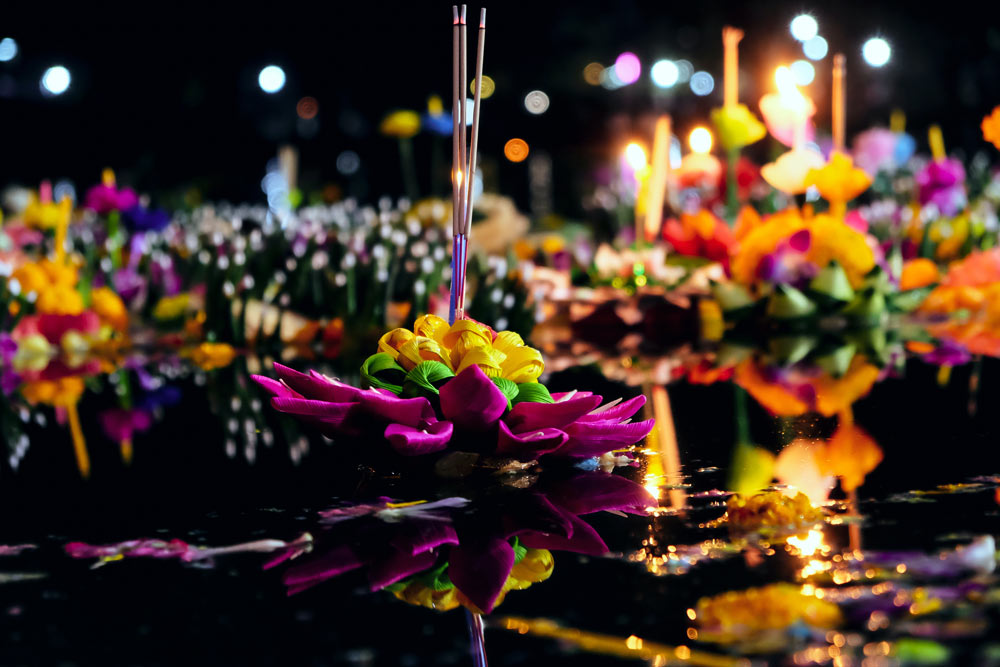
Loy Krathong is one of the most beautiful festivals in Thailand. Held on the full moon of November, people float decorated baskets (krathongs) on rivers and lakes to pay respect to the water goddess and let go of negativity. In places like Chiang Mai and Sukhothai, the festival is especially magical, often combined with lantern releases and traditional performances. Personally, I feel like this is the best time to visit Chiang Mai, to experience the city in the cooler weather and visit the Thailand festivals.

Yi Peng Lantern Festival (November – Northern Thailand)
Yi Peng takes place around the same time as Loy Krathong but is unique to northern Thailand. Thousands of glowing lanterns are released into the night sky, creating breathtaking scenes. Chiang Mai is the most popular place to experience Yi Peng, with parades, temple ceremonies, and cultural shows.
Chinese New Year (January or February)
Chinese New Year is widely celebrated across Thailand, especially in areas with large Thai-Chinese communities such as Bangkok’s Chinatown, Phuket, and Chiang Mai. The festival features dragon and lion dances, firecrackers, red lanterns, and lively street markets.
Families gather to honour ancestors, make offerings, and welcome good fortune for the year ahead. It’s one of the most energetic and colourful festivals in Thailand, blending Chinese traditions with local Thai culture.

Important Religious and Cultural Festivals
Visakha Bucha Day (May)
Visakha Bucha is one of the most sacred Buddhist holidays in Thailand, commemorating the birth, enlightenment, and death of Buddha. Celebrations are peaceful and respectful, with candlelit processions around temples and merit-making ceremonies. Alcohol sales are banned nationwide on this day.
Makha Bucha Day (February or March)
Makha Bucha celebrates an important gathering of Buddha’s disciples. Temples across Thailand host evening candle processions, and many locals spend the day making merit. It’s a meaningful time to witness Thai Buddhist traditions at their most authentic.
King’s Birthday & National Father’s Day (December)
The King’s Birthday is a major national celebration across Thailand, marked by ceremonies, decorations, and public events. Streets and landmarks are illuminated, and people wear yellow to show respect and loyalty to the monarchy.
This festival offers insight into Thailand’s deep respect for the royal family and is a significant cultural moment for visitors to witness.
Queen’s Birthday & National Mother’s Day (August)
Celebrated nationwide, the Queen’s Birthday is another important public holiday in Thailand. Events include ceremonies, floral displays, and candlelight gatherings, with many people wearing light blue to honour the Queen. It’s a meaningful time that highlights family values and national pride.
Regional and Local Festivals in Thailand
Phi Ta Khon – Ghost Festival (June or July)
Held in Dan Sai, Loei Province, Phi Ta Khon is one of Thailand’s most unique festivals. Locals wear colourful ghost masks and costumes, combining Buddhist beliefs with folk traditions. The festival includes parades, music, and playful mischief, making it a fascinating cultural experience.
Bun Bang Fai – Rocket Festival (May)
Celebrated mainly in northeastern Thailand (Isan), the Rocket Festival marks the start of the rainy season. Homemade rockets are launched into the sky to encourage rainfall for rice farming. The festival is loud, lively, and full of traditional Isan music and dancing.
Modern and Food-Focused Festivals
Vegetarian Festival (September or October)
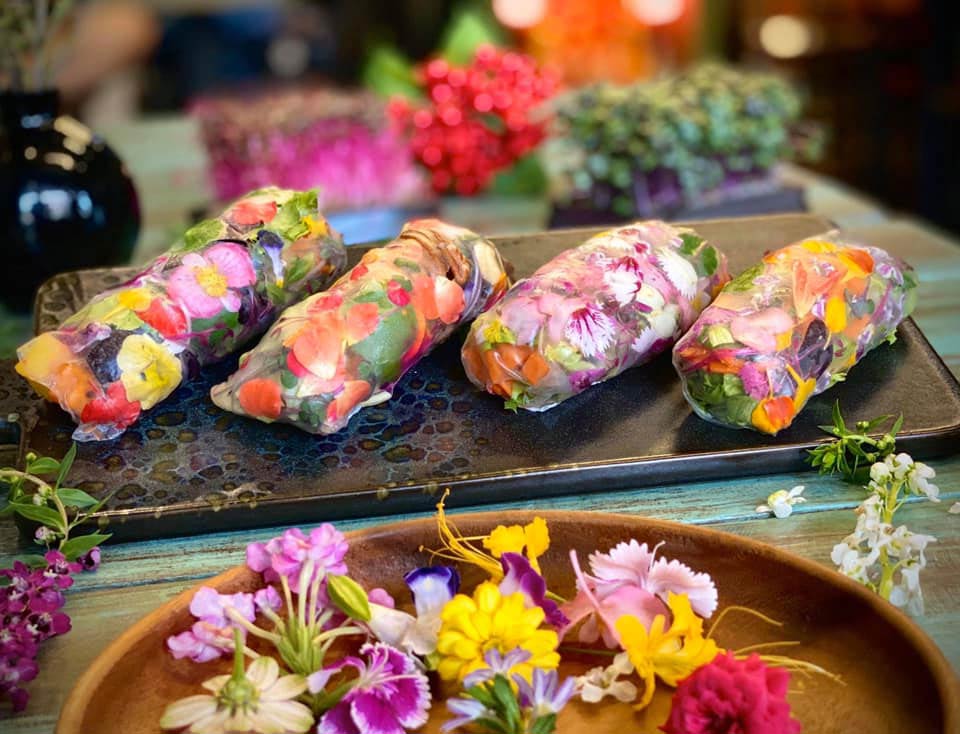
Most famously celebrated in Phuket, the Vegetarian Festival is known for dramatic rituals, street processions, and plant-based food stalls. Participants follow a strict vegetarian diet for spiritual cleansing, while visitors can enjoy incredible meat-free, vegetarian Thai dishes.
Wonderfruit & Music Festivals
Thailand also hosts modern festivals like Wonderfruit, which combines music, art, sustainability, and wellness. These contemporary events attract international crowds and show a different side of Thailand’s festival scene.
2026 also sees Tomorrowland coming to Pattaya, which should be an exciting event to end the year.
How Locals Celebrate Festivals in Thailand
- Festivals in Thailand are deeply personal for locals, focusing on family, tradition, and spiritual meaning rather than just large public events.
- Many celebrations begin with temple visits, merit-making, giving alms to monks, and prayers for good luck and prosperity.
- Families often travel back to their hometowns during major festivals like Songkran, making these holidays an important time for reconnecting with relatives and honouring elders.
- Local communities organise parades, food stalls, cultural performances, and temple fairs, creating a strong sense of togetherness.
- Even during lively festivals, there is a balance between celebration and respect, with quiet moments set aside for religious rituals.
- Younger generations often blend tradition with modern habits, sharing festival moments on social media and following events online.
- Overall, Thai festival celebrations reflect a mix of cultural heritage, community spirit, and modern lifestyle influences.
Best Time to Visit Thailand for Festivals
The best time to visit Thailand for festivals depends on what you want to experience. April is ideal for Songkran lovers, while November is perfect for Loy Krathong and Yi Peng. Cultural and religious festivals occur throughout the year, meaning there’s always something worth planning a trip around.
Tips for Enjoying Festivals in Thailand
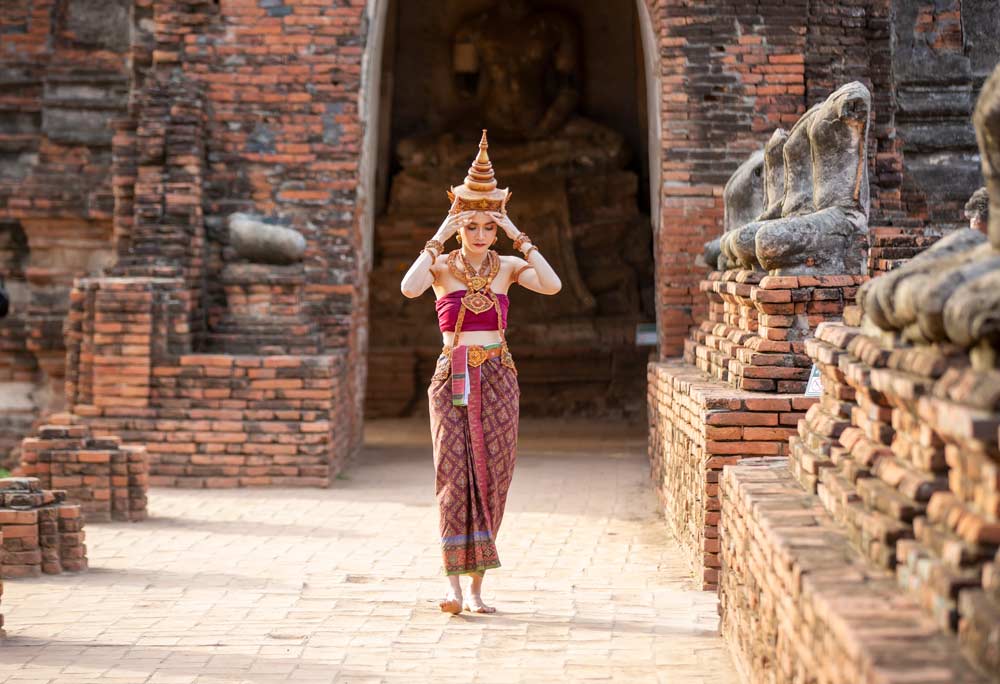
- Dress respectfully, especially for temple-based festivals
- Book accommodation early for popular events like Songkran and Yi Peng
- Protect valuables during water festivals
- Check local rules, as alcohol bans apply on religious holidays
Festivals in Thailand are more than just celebrations—they are a reflection of the country’s rich history, beliefs, and joyful spirit. Whether you’re visiting for culture, photography, food, or pure fun, this guide to festivals in Thailand will help you plan unforgettable experiences across the country.
Thanks for reading!
We love living in Bangkok, exploring Thailand and sharing everything we learn along the way. Comment below if you have any questions and follow us along on Instagram or Facebook.
We value and appreciate all our readers and supporters. If you wish to support That Bangkok Life then please use our Amazon affiliate for your next purchase, it doesn’t cost you anything extra but we make a small commission, allowing us to continue building this website and sharing our love of travel with you.


[…] are some national holidays and festivals in Thailand, meaning the trains get busy. If you want to travel at this time, you must pre-book ahead of time. […]