

Explore the fascinating cultures and traditions in Thailand, from ancient Buddhist customs and vibrant festivals to delicious cuisine.
Thailand is known for its stunning natural landscapes, vibrant cities, and world-famous cuisine. But beyond its beautiful beaches and bustling markets, Thailand has a rich cultural heritage that has been preserved for centuries, deeply rooted in tradition and influenced by Buddhism, the monarchy, family values, and a strong sense of community.
Whether you’re planning a trip to Thailand or simply interested in learning more about the country, understanding its traditions offers valuable insight into what makes Thailand stand out. Here, we give you a glimpse into some of the most distinctive cultures and traditions in Thailand.
Cultures and Traditions in Thailand

The influence of Buddhism
Approximately 93.4% of the population in Thailand identify as Theravada Buddhists contributing to the cultures and traditions in Thailand.
Temples, which are known as ‘wats’, can be found throughout the country, both in busy city centres and more remote villages. Wats are sacred spaces that serve as important community hubs where people gather for religious ceremonies, festivals, and educational activities, as well as being places of worship; Wat Arun and Wat Pho are two of the more popular temples to visit in Bangkok.
Buddhism influences many aspects of daily life in Thailand. Respect, compassion, mindfulness, and humility are traits that are highly valued and reflected in social interactions, and it’s common for Thai people to donate to temples, offer food to monks, and participate in religious ceremonies. People visiting the country often notice the calm and respectful atmosphere, which is a reflection of these deeply embedded Buddhist teachings.
Respect and social harmony are highly valued in Thai culture, and many customs are designed to promote positive relationships between individuals. One of the most recognisable traditions is the ‘wai’ – a traditional greeting involving a slight bow with the palms pressed together. This is used to show respect and is the norm when greeting others, expressing gratitude, or apologising. The level of the hands often varies depending on the status or age of the person being greeted.
Respect for elders is particularly important in Thailand, with younger individuals expected to show deference to older family members, teachers, and community leaders. This emphasis on hierarchy and courtesy helps to maintain social cohesion in Thailand, and reinforces the values of kindness and consideration that are central to life in the country.

Family values and community connections
Family values are incredibly important in Thailand. Extended families often maintain close relationships, even when living separately, and family gatherings are a regular part of life. Many younger people continue to support their parents financially and emotionally after leaving home, which reflects the strong sense of responsibility that often exists between generations.
Community ties are equally significant, and in many towns and villages, neighbours support one another during celebrations, religious events, and in times of need. This community spirit helps to preserve traditional customs and fosters a strong sense of belonging for local people.
Similarly, festivals, weddings, and religious ceremonies often involve entire communities coming together to participate – not just small gatherings of family and friends during cultures and traditions in Thailand. Big occasions like these help to strengthen social bonds and ensure that cultural traditions are passed down through the generations.

Colourful festivals that celebrate Thai heritage
Thailand’s yearly calendar is filled with vibrant Thailand festivals that showcase the country’s cultural diversity in these cultures and traditions in Thailand. These celebrations provide an opportunity for people to honour their religious beliefs, celebrate seasonal changes, and simply enjoy time spent with family and friends.
One of the most famous festivals is Songkran, the Thai New Year celebration which is held each April. Traditionally, Songkran involved visiting temples, paying respects to elders, and pouring water over Buddha statues as a symbol of purification and renewal. Today, it is also known for its lively nationwide water fights, which attract both locals and tourists.
Another beloved festival is Loy Krathong, which is celebrated on the full moon of the twelfth lunar month. During the event, people release beautifully decorated floating baskets called ‘krathongs’ onto rivers and lakes to symbolically let go of negative thoughts and welcome good fortune. The sight of thousands of illuminated krathongs drifting across the water creates a magical atmosphere that many visitors enjoy being a part of.
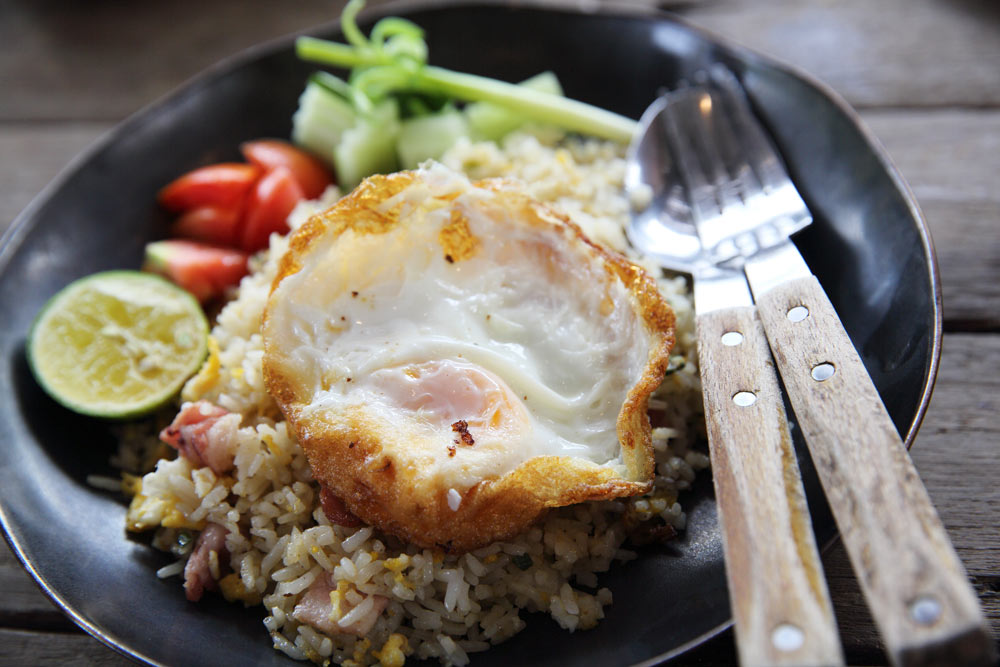
Traditional Thai cuisine and dining customs
Thai cuisine is recognised worldwide for its bold flavours, aromatic herbs, and balance of sweet, sour, salty, and spicy elements. Food is deeply intertwined with Thai culture and plays a central role in social gatherings and family life.
Meals in Thailand are typically shared among family members and friends, with several dishes placed in the centre of the table for everyone to enjoy together, again reflecting the importance of connection and hospitality in Thai society.
Many traditional recipes have been passed down through generations, preserving regional culinary identities. Ingredients such as lemongrass, galangal, kaffir lime leaves, and fresh chilli peppers create distinctive flavours that make Thai food so popular around the world. Street food culture is also a big part of daily life, offering affordable and delicious meals that bring communities together.

Traditional arts, dance, and craftsmanship
Thailand has a rich and thriving artistic heritage, with traditional dance performances, music, and visual arts often drawing inspiration from religious stories, folklore, and historical events.
Admire the Classical Thai dance, known for its graceful movements, elaborate costumes, and symbolic gestures. These performances tend to depict scenes from ancient epics and serve as an important means of preserving cultural narratives.
Thai craftsmanship is just as impressive. Skilled artisans produce intricate wood carvings, silk textiles, ceramics, and jewellery using techniques that have been refined over centuries. Thai silk, in particular, has gained international recognition for its quality and vibrant colours. These traditional crafts each contribute to the country’s cultural identity, support local economies and help preserve valuable skills for future generations.
Preserving traditions in modern Thailand
Like many countries, Thailand has experienced rapid modernisation and globalisation in recent years. You can visit the major cities, such as Bangkok, that have become centres of commerce and tourism, but despite these changes, traditional values and customs are still deeply embedded in Thai society.
The cultures and traditions in Thailand come from a blend of spirituality, respect, community, and artistic expression, and every aspect of Thai life reflects a rich cultural heritage that has been carefully preserved. Exploring Thailand’s traditions offers a deeper understanding of what makes the country such a captivating destination.
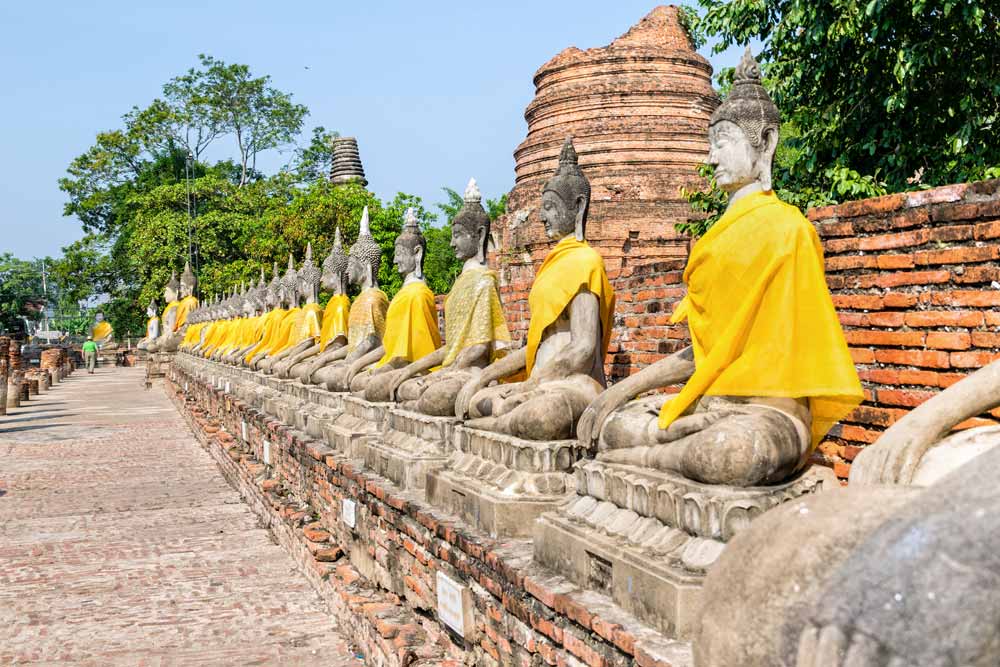
Thai customs and etiquette visitors should know
Understanding basic Thai customs and etiquette can help visitors show respect, avoid misunderstandings, and enjoy a more authentic travel experience.
- Use the wai greeting
The wai is Thailand’s traditional greeting, performed by pressing the palms together and slightly bowing the head. It is used to show respect when greeting others, thanking someone, or apologising. - Dress modestly when visiting temples
Temples are sacred places, so visitors should wear clothing that covers the shoulders and knees. Dressing appropriately demonstrates respect for Buddhist beliefs and local customs. This is also essential when visiting the Grand Palace; they have very strict rules in regard to dress. - Remove your shoes before entering certain buildings
It is customary to take off your shoes before entering temples, some shops, and many Thai homes. Look for shoe racks or signs near entrances as an indication that shoes should be removed. - Avoid touching someone’s head
In Thai culture, the head is considered the most sacred part of the body. Touching another person’s head, even as a friendly gesture, can be seen as disrespectful. - Be mindful of where you point your feet
Feet are regarded as the lowest and least respectful part of the body. Avoid pointing your feet towards people, religious objects, or images of Buddha whenever possible.
Important dates, festivals, and alcohol restrictions in Thailand
If you’re planning a trip to visit some of the best places in Thailand, it’s useful to know about the country’s major festivals, public holidays, and Buddhist holy days. Some celebrations can affect transport, accommodation availability, and alcohol sales.
| Date | Event | What Travellers Should Know |
|---|---|---|
| 1 January | New Year’s Day | A national holiday celebrated across Thailand with parties, fireworks, and public events. |
| January/February* | Chinese New Year | Widely celebrated in Bangkok’s Chinatown and areas with large Thai-Chinese communities. |
| February* | Makha Bucha Day | An important Buddhist holiday. Alcohol sales are prohibited for 24 hours. |
| 6 April | Chakri Memorial Day | Commemorates the founding of the current Thai royal dynasty. |
| 13–15 April | Songkran Festival | Thailand’s New Year celebration and the country’s biggest festival, famous for nationwide water fights. |
| 1 May | Labour Day | Public holiday with some business closures. |
| May* | Visakha Bucha Day | Celebrates the birth, enlightenment, and death of Buddha. Alcohol sales are prohibited. |
| July* | Asalha Bucha Day | Marks Buddha’s first sermon. Alcohol sales are prohibited nationwide. |
| July* | Khao Phansa (Buddhist Lent Begins) | An important religious observance. Alcohol sales are prohibited. |
| 28 July | King’s Birthday | Celebrates the birthday of Thailand’s King. Many buildings display royal decorations and flags. |
| 12 August | Queen Mother’s Birthday & Mother’s Day | A national holiday celebrated throughout the country. |
| September/October* | Sart Thai Festival | A traditional merit-making festival honouring ancestors. |
| October* | Ok Phansa (End of Buddhist Lent) | Marks the end of the Buddhist Lent period and features temple ceremonies. |
| 13 October | King Bhumibol Memorial Day | Commemorates the passing of King Bhumibol Adulyadej. |
| 23 October | Chulalongkorn Day | Honours King Rama V and his contributions to modern Thailand. |
| November* | Loy Krathong | One of Thailand’s most beautiful festivals, featuring floating lantern baskets on rivers and lakes. |
| 5 December | King’s Birthday & Father’s Day | National celebrations honouring the late King Bhumibol Adulyadej. |
| 10 December | Constitution Day | Commemorates Thailand’s first permanent constitution. |
| 31 December | New Year’s Eve | Celebrated with concerts, fireworks, and countdown events nationwide. |
*Dates marked with an asterisk vary each year because they follow lunar calendars.
Non-drinking days in Thailand
Thailand prohibits the sale of alcohol on several religious holidays each year, including:
- Makha Bucha Day
- Visakha Bucha Day
- Asalha Bucha Day
- Khao Phansa (Beginning of Buddhist Lent)
- Some election days (when applicable)
Things to Know Before you go to Thailand
Thanks for reading!
We love living in Bangkok, exploring Thailand and sharing everything we learn along the way. Comment below if you have any questions and follow us along on Instagram or Facebook.
We value and appreciate all our readers and supporters. If you wish to support That Bangkok Life then please use our Amazon affiliate for your next purchase, it doesn’t cost you anything extra but we make a small commission, allowing us to continue building this website and sharing our love of travel with you.


